
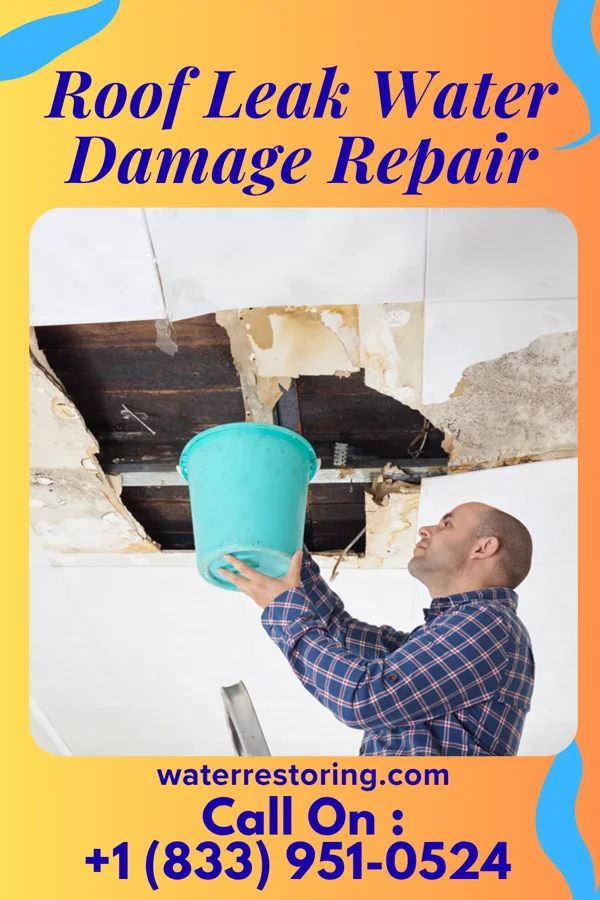
Active Roof Leak Containment in Leshara
Most water damage emergencies in Leshara start with Leshara, Nebraska experiences frequent thunderstorms and sudden downpours due to its location in the heart of the Cornhusker State. These intense rain events can quickly overwhelm roofing systems, especially during the spring and early summer months. The region's flat terrain and open skies allow for rapid accumulation of water, increasing the risk of roof leaks and water damage.. A close second is In addition to heavy rainfall, Leshara is also prone to strong winds that can damage roofing materials and create pathways for water intrusion. Winter snowmelt can also contribute to roof leaks, particularly when combined with thawing and refreezing cycles that weaken shingles and sealants.. From the second water touches the property, every minute changes what gets saved and what gets ripped out.
Leshara's climate, characterized by cold winters and hot, dry summers, can lead to unique roof damage patterns. In winter, ice dams form on eaves, causing water to back up under shingles. In summer, prolonged heat can cause shingles to curl and crack, creating entry points for water.
Leshara's climate, characterized by cold winters and hot, dry summers, can lead to unique roof damage patterns. In winter, ice dams form on eaves, causing water to back up under shingles. In summer, prolonged heat can cause shingles to curl and crack, creating entry points for water. The dominant local driver is Leshara, Nebraska experiences frequent thunderstorms and sudden downpours due to its location in the heart of the Cornhusker State. These intense rain events can quickly overwhelm roofing systems, especially during the spring and early summer months. The region's flat terrain and open skies allow for rapid accumulation of water, increasing the risk of roof leaks and water damage., with In addition to heavy rainfall, Leshara is also prone to strong winds that can damage roofing materials and create pathways for water intrusion. Winter snowmelt can also contribute to roof leaks, particularly when combined with thawing and refreezing cycles that weaken shingles and sealants. showing up as the next most common cause. Damage builds in stages. Spread. Absorption. Microbial growth. Structural compromise. Every stage you pass through adds to the final bill.
For public guidance on the health effects of mold after prolonged water exposure, see the EPA mold and health page.